


Old News Is Good News. Old newspapers are a genealogy goldmine.
- Mellainie Fisher
- Feb 12, 2024
- 4 min read

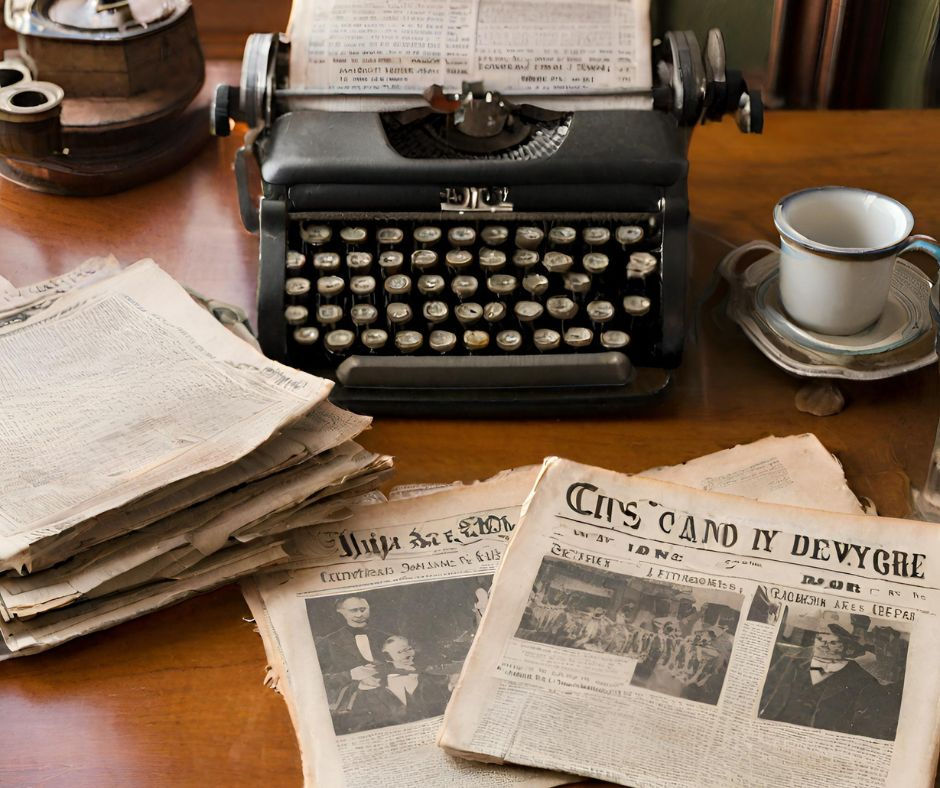
Being a self-taught family researcher was a tedious task. I wouldn't change a thing about though. Aside from the family Bible every resource I developed had to come from my own noggin. Thinking outside the box became a daily exercise. Developing new places to look for information was a daily assignment.
Then in 2017, while helping my paternal aunt pack up her old house, we found a box of photos and newspaper clippings. My step=grandmother had collected articles about the day her teenaged son, my uncle, was shot and killed by the police in Parma, Ohio. The clippings were delicate and looked like they had been stained with tea. Even the language used by the reporter was dated. It was very much the 1970's. After reading the article I made up my mind to include not just his name, birthdate, or the day he died in our family history. My heart needed to include his story. What happened that day? Good, bad or indifferent, those weathered newspaper clippings not only prompted me to have newspapers be on the top of my list when looking for information, but it led me to develop other resources so his story would be complete. More on that in a later.
Newspapers help so much for completing the story and filling in the blanks.
Tip #1 - The Obituary Section
If you're like me, correctly identifying family members to the right family can be difficult doing southern genealogy. It seems like during certain periods of time everyone was named Martha, Mary, or John. If it was a big family, you could have several members of one family with the same first and last name making it exceptionally difficult to match them up with the right parents and/or children.
Obituaries are great for this. The next of kin is most always motioned. Generally, the town the person passed away in and the date of death are there too. Sometimes you can get lucky and find out where the services were held. I've called some of these funeral homes and was able to get the obituary that was printed for the services. My clients are always happy to get those. Especially if they have a photo of the family member.
Tip #2 - The Metro or "Happenings" Section
My best advice is don't skip out on this section. Even the oldest newspapers have a "crime blotter" in their metro section that can help you piece things together. In older newspapers you can also find wedding announcements, engagements, and divorces. These are a definite help when identifying correct family members or which "Mary" was married to which "John".
"If you use the right newspaper search methods, you can locate a wealth of information about your family and their community - the kind of information that can’t be found in other documents typically used for genealogical research." – New York Genealogical and Biographical Society
Tip #3 - Go where the article leads
Once I read the article in its entirety. I saw the Police Officer's name that was involved in the shooting. I also saw the city it happened in. Again, I wanted his story to be complete in our family history book. So, I went to the Parma Police Department and requested a copy of the police report from that day. While reading my heart sank. The address of the incident was on the page. I knew it was close, so I Googled it on my phone. My heart sank a little more when I realized I had been passing by the exact spot he had been killed weekly for at least three years. I'd even passed it that day on my way to the courthouse.
I've since been trying to find a photo of that corner from the time he was killed. I wouldn't have known where to begin or the connection I had to the scene if it weren't for those newspaper clippings saved from so long ago.
Tip #4 - The Library is still important
Although I strongly recommend sites like newspapers.com, please don't be afraid to reach out to your local library or the library in the town you're researching. Often the staff members in the historical department will check the microfilm for you if you're out of state and send you the articles from any of the sections that I mentioned. Also, if you find out your family member may have had a legal issue while reading the article, you can make a free Public Records Request in most cities to get more details. Library searches are also free, however, if you are from another State, there may be a fee to get a library card.
The newspaper is a great place to start for brick walls and details in any kind of family history research. It's also a treasure trove of information in southern states. I don't know if that's because they were more thorough or there may have been some truth to the tendency to gossip in small towns. Give it try and let me know if it works for you.


Comments